November 24, 2025
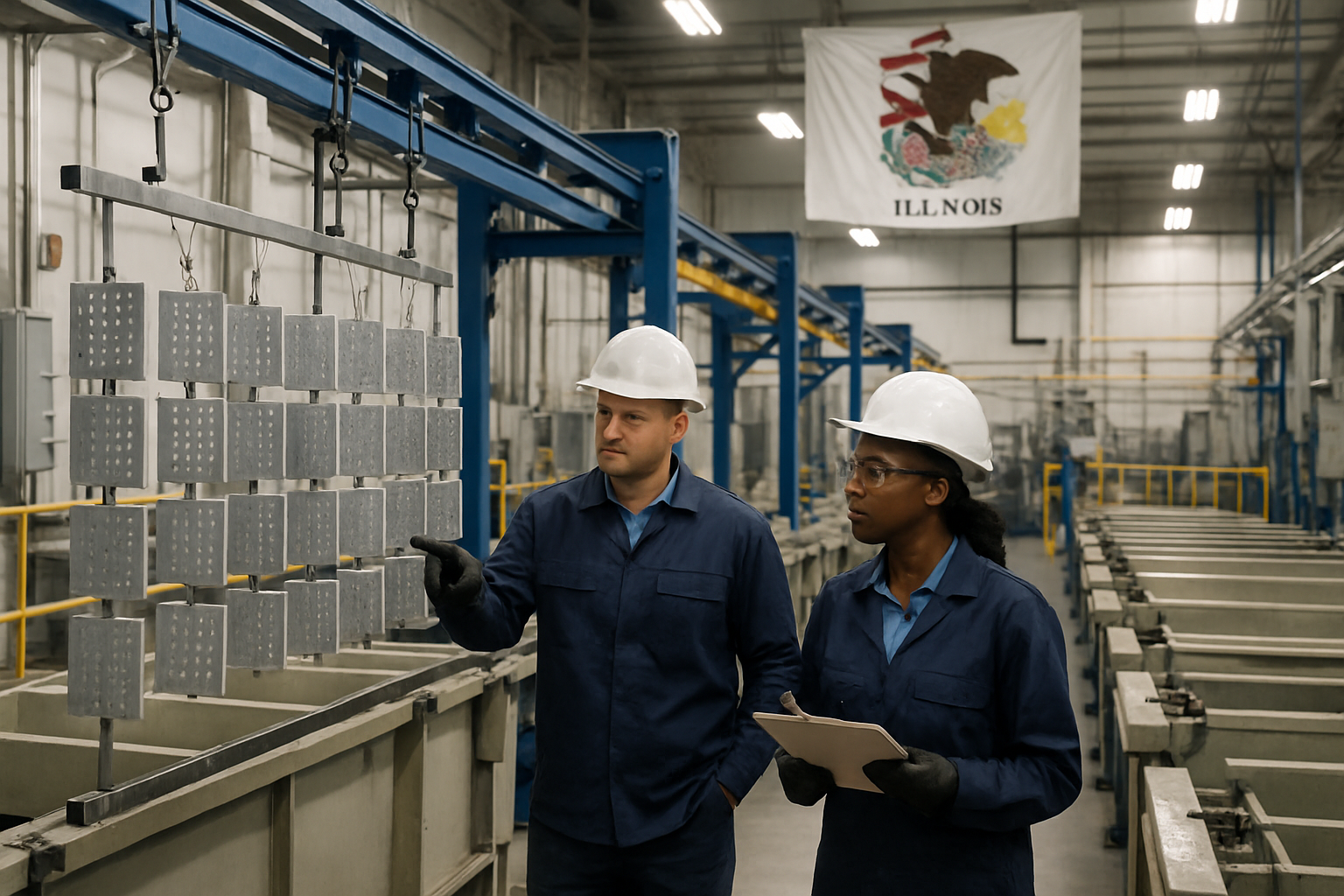
You're tired, proud, and probably a little unsure how buyers are going to look at your metal finishing shop. Fair. You've built something hard to build. Plating, anodizing, powder coating, passivation, heat treating support, polishing, all of it takes people, process, permits, equipment, and customers who trust you to get the finish right.
That isn't easy to copy. That's why buyers like these businesses in Illinois. A good finishing shop sits right in the middle of the industrial supply chain, and manufacturers don't switch vendors for fun. If you're approved, reliable, and hitting specs, you're valuable.
But buyers are going to look under the hood. Not because they're trying to beat you up. Because finishing shops come with real questions: wastewater discharge, hazardous materials, chemical inventory, aging equipment, customer concentration, and strict spec work. Easy to handle when it's organized. Painful when it's scattered in 12 file cabinets and one guy's head.
For owners in Chicagoland, Rockford, Aurora, Joliet, Elgin, and the other Illinois manufacturing corridors, this is where preparation pays. Tangent Brokerage helps owners get the right records in the right order before buyers start asking. It keeps the deal moving, and it protects value.
Buyers want more than EBITDA
Revenue and EBITDA matter. Of course they do. But a profitable shop isn't automatically an easy sale.
Buyers want to know if the earnings will stick after you leave. Can production grow? Are the permits clean? Is one customer half the revenue? Is one old line doing all the work? Is the owner the only person who knows quoting, quality, purchasing, and the top three accounts?
That stuff matters. A lot.
A buyer may pay a strong multiple for clean records, recurring work, strong margins, documented processes, and room to grow. That same buyer gets cautious fast if the company depends on one salesperson, one aging line, or one customer representing 50 percent of revenue.
So what do you need to show? Not just what you earned. You need to show why those earnings are likely to continue. Records do that. Promises don't.
Get the environmental file ready
Environmental diligence is usually the touchiest part of selling a metal finishing business. And that's not a bad thing, it's just part of the deal. Buyers want to understand current operations and anything from the past that could turn into a cleanup cost, permit issue, or closing dispute.
Even if you've run a tight operation for years, missing paperwork creates doubt. Doubt lowers offers. Organized records do the opposite.
Pull together:
- Wastewater discharge permits and sampling results
- Corrective action records, if there were any
- Hazardous waste manifests and licensed disposal records
- Air permits, emissions records, or exemption documents
- Chemical inventory and safety data sheets for acids, solvents, coatings, metals, and treatment chemicals
- Inspection reports and letters from local authorities, Illinois EPA, OSHA, fire departments, or sewer districts
- Tank, sump, floor drain, and secondary containment records
- Maintenance, upgrades, and known issue notes
If there was a spill, notice, violation, or cleanup matter in the past, don't hide from it. Put the explanation together. Include closure documents. Buyers and lenders usually find this stuff anyway, and a surprise late in diligence is a momentum killer.
Pro tip: A past issue with a clean paper trail is usually manageable. A vague answer is what makes people nervous.
Show the customer story
Metal finishing businesses often grow one relationship at a time. Repeat purchase orders. Approved vendor status. Decades of doing the job right. That's real value.
But buyers will want to separate sticky work from work that might disappear after closing. So build a customer analysis before you go to market.
At minimum, show:
- Revenue by customer for the last 3 years
- Gross margin by major account, if available
- Industries served
- Formal supplier approvals
- Repeat work versus one-off projects
- Active programs and backlog
If you serve aerospace, medical device, defense, automotive, electronics, or food equipment manufacturers, buyers will look harder. They'll ask for certifications, audits, drawings, specifications, and quality requirements. That's fine. Those approvals can be a big part of your value.
Customer concentration isn't always a deal breaker. A 35 percent customer can be fine if the relationship is 10 years old, margins are good, there are multiple active programs, and you're qualified on difficult specs. Different story if pricing hasn't been updated, the POs are project-based, and you're the only relationship holder. That's a red flag. Fixable, but buyers will notice it.
Prove capacity and equipment condition
Buyers need to know what the shop can produce without a big check right after closing.
Unused capacity, trained staff, and maintained equipment support a growth story. Running maxed out on old controls with deferred maintenance? That usually turns into a lower valuation or a capital expenditure adjustment.
Create a current equipment list. Keep it simple, but make it useful.
- Tanks
- Rectifiers
- Ovens
- Pretreatment systems
- Blast equipment
- Compressors
- Forklifts
- Wastewater treatment systems
- Lab equipment
- Material handling assets
For each item, note age, condition, maintenance history, and whether it's owned, leased, or financed. If one machine supports a top customer or a specific process, say it clearly. Don't make the buyer guess.
Then add production numbers where you have them: line use, shifts, bottlenecks, reject rates, rework, on-time delivery, and backlog. These numbers tell a buyer if revenue can grow under new ownership or if the building is already tapped out.
Quality and people matter
In metal finishing, bad quality gets expensive fast. Buyers will review rejection rates, customer complaints, corrective action reports, inspection procedures, calibration records, and certifications like ISO, AS9100, NADCAP, or customer-specific approvals when they apply.
If you're a smaller shop without formal certifications, don't panic. Written procedures still help. Critical processes. Inspection. Chemical control. Order handling. Basic, clean, repeatable.
And then there's the team.
Skilled line operators, lab technicians, quality managers, estimators, and production supervisors aren't sitting around everywhere waiting for work. Buyers know that. So show who matters, how long they've been with you, what they do, and what they're paid. If retention incentives after closing make sense, talk about it early.
If you're doing everything yourself, start moving pieces to the team before a sale. Quoting, quality approvals, purchasing, key customer calls. Buyers pay more when the business doesn't need you every hour of the day. Every time.
Don't ignore the building
Many finishing companies operate in facilities that aren't easy to replace. Zoning, utilities, ventilation, drainage, loading access, floor condition, room for expansion, all of it matters.
If you own the real estate, decide if you're selling it with the business, leasing it to the buyer, or keeping it separate. If you lease, review assignment rights, renewal options, landlord consent, environmental clauses, and any limits on chemical handling or industrial use.
A good facility adds value. Unclear lease terms or unresolved environmental concerns slow things down. Not fatal. Just something to clean up before the buyer's lender starts asking.
Make the sale process smoother
The best prep is practical. Clean up the financial statements. Separate owner add-backs from real business expenses. Reconcile sales to tax returns. Then build a diligence folder with permits, compliance records, customer data, equipment lists, quality documents, employee roles, lease information, and backlog.
Also, keep it confidential. Employees, customers, and competitors don't need to know you're exploring a sale too early. Tangent Brokerage uses blind profiles, buyer screening, non-disclosure agreements, and staged information release so qualified buyers get what they need without turning your shop into gossip.
Selling a metal finishing business in Illinois takes more than finding someone who likes manufacturing. You need a buyer who understands industrial services, environmental records, workforce realities, and customer approvals. Get the proof ready, tell the story right, and you've got a much stronger shot at a clean, strong exit.
FAQs
Will environmental records scare buyers away?
No. Missing records scare buyers. Clear permits, sampling results, manifests, and closure documents usually make buyers more comfortable.
Is customer concentration a deal killer?
Not always. A large customer can be fine if the relationship is long-term, profitable, tied to active programs, and not dependent only on you.
Do I need formal certifications to sell?
Not necessarily. ISO, AS9100, NADCAP, and customer approvals help when they apply, but strong written procedures and quality records also matter.
Should I sell the real estate with the business?
Maybe. Some buyers want the building, some prefer a lease. The right answer depends on your goals, the facility, and the deal structure.
How early should I start preparing?
Six to 18 months is ideal. But even 60 days of focused cleanup can make a real difference.
Ready to talk about your exit?
You built a shop that manufacturers count on. That's worth taking seriously. If you're thinking about selling a metal finishing business in Illinois, contact Tangent Brokerage at 630-862-5234 or request a free valuation. Let's get your records tight, protect confidentiality, and go find the right buyer for what you've built.