February 2, 2026
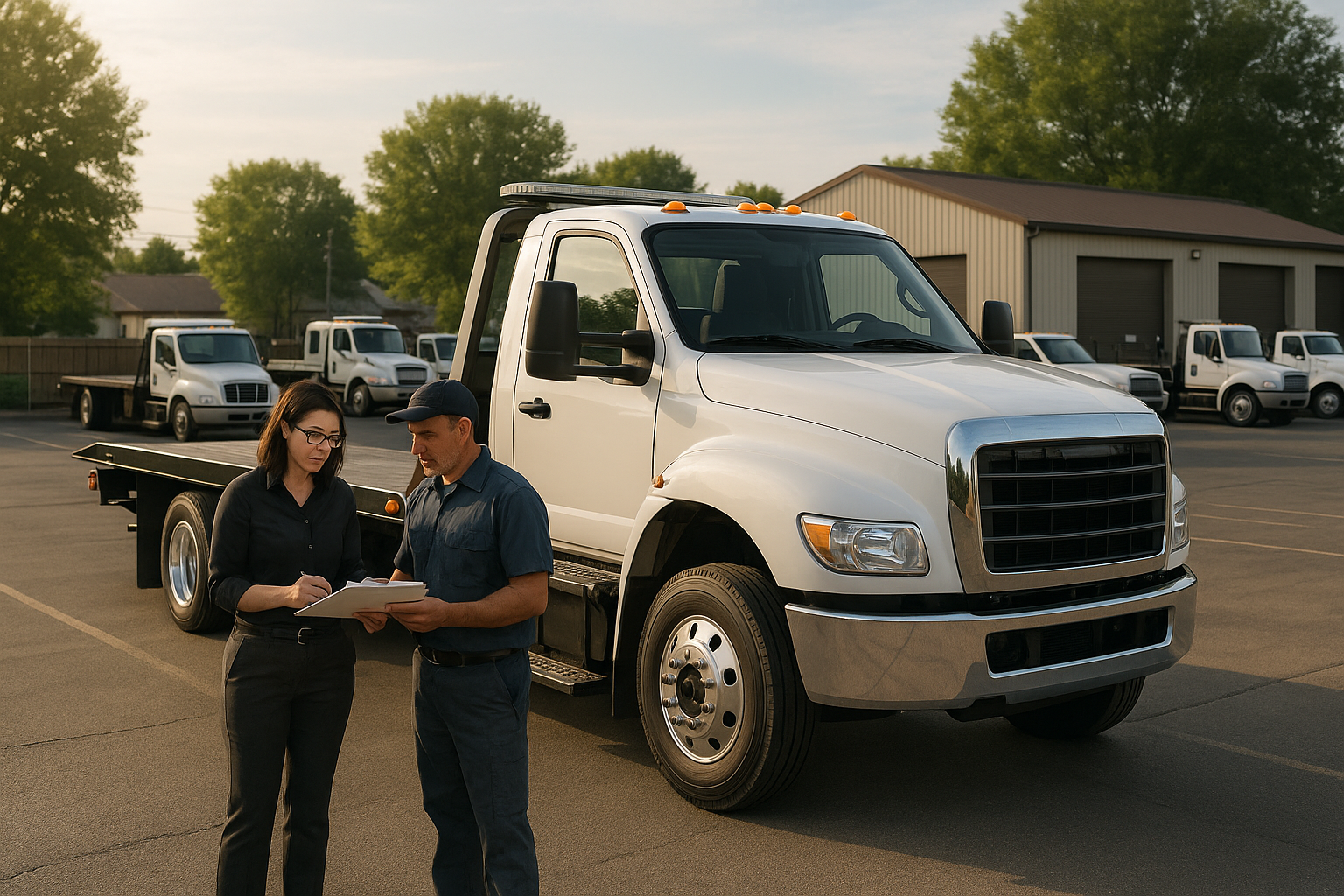
A lot of towing owners think buyers only care about the trucks. That's the myth. A clean rollback helps, sure, but buyers are really buying call flow, records, rotation standing, drivers, insurance history, and whether the phone still rings after you stop answering it at 2 a.m.
And if you built a towing company in Chicagoland, you already know this business isn't simple. Trucks, drivers, phones, police calls, motor clubs, storage, angry vehicle owners, snow days, accident scenes. It takes real grit. Buyers respect that. They just want proof that what you built can move to them without falling apart.
That's where preparation pays. Not scary preparation. Practical stuff. Tangent Brokerage helps towing owners package the business so a serious buyer can see the value fast, ask better questions, and write a real offer.
Show where the money comes from
Not all towing revenue gets treated the same. A dollar from a steady commercial fleet account is different than a one-off cash tow. Police rotation work is different than roadside assistance. Impound and storage fees are different than auction proceeds.
So before you go to market, build a revenue schedule for the last three years. By source. Month by month if you can. Buyers want to see what repeats, what has margin, and what might change after the sale.
- Light-duty towing
- Heavy-duty towing
- Roadside assistance
- Accident recovery
- Impound and storage fees
- Repossession work
- Commercial accounts
- Motor club calls
- Police rotations
- Auction or salvage proceeds
For commercial accounts, have contracts, pricing, call volumes, and payment history ready. For motor clubs, pull provider agreements, service levels, chargebacks, and average revenue per call. For private property impounds, organize property agreements, signage procedures, notification records, and dispute history.
Messy? Fine. Most small businesses are. But don't hand a buyer a shoebox and tell him to trust you. That's a red flag, and it's fixable.
Dispatch logs matter
Dispatch data tells the buyer if the business has a system or if everything lives in your head. If you're the only one who knows which driver goes where, which police department calls first, and which customer pays slow, the buyer sees transition risk.
Good dispatch records show:
- Call date and time
- Call source
- Service type
- Driver assigned
- Truck used
- Response time
- Invoice amount
- Payment status
- Storage days
- Release date
- Damage or complaint notes
You don't need perfect software. You need usable proof. Export what you have, clean it up, and tie it back to revenue. The goal isn't to bury the buyer in data. The goal is to prove call volume.
And after-hours coverage? Buyers look hard at that. If calls get missed when one dispatcher is sick, fix it before listing. Cross-train a second dispatcher. Write down call-forwarding steps. Document who handles nights, weekends, snow events, and accident recovery. Small fix, big confidence.
Police rotations need paperwork
Police and municipal rotations can be a beautiful thing. Recurring call flow. Local presence. Built-in demand. But buyers are going to ask one question right away: does this transfer?
Is the rotation based on a written agreement, an ordinance, an informal approval, or your personal relationship with the chief, commander, or municipal contact? Big difference.
Gather the documents for every municipality you serve. Include:
- Rotation letters
- Ordinances
- Contract terms
- Response time rules
- Storage lot distance rules
- Equipment requirements
- Driver background check rules
- Signage and fee rules
- Release procedures
- Complaint handling steps
If a change of ownership triggers reapplication, inspection, insurance review, or council approval, that's not a deal killer. Not at all. It just needs to be planned into the closing timeline and the purchase agreement. Buyers can work with known steps. They hate surprises. Every time.
Your fleet tells a story
Tow trucks are a big part of the tangible value, but buyers don't pay just because a wrecker looks sharp in photos. They care about uptime. They care about what breaks, what was repaired, what has liens, and what can keep running Monday morning after closing.
Build a fleet schedule with the year, make, model, VIN, mileage, engine hours if applicable, equipment type, lift capacity, liens, lease terms, recent major repairs, DOT inspection status, and estimated fair market value.
Then back it up. Maintenance invoices. Tire replacement history. Hydraulic repairs. Winch and boom service. Accident history. Recent major work. If you've got an older truck with clean records and predictable uptime, say that proudly. That's worth something.
Pro tip: If trucks are financed, get payoff letters early. Unclear liens slow deals down, especially with an SBA-financed buyer. No need to let paperwork steal momentum.
Drivers and insurance are huge
Labor is one of the biggest buyer questions in towing. Good drivers are hard to find. Insurance rules can be tight. And if two key drivers leave the day after closing, the buyer has a problem.
Create a staffing summary. Keep sensitive personal details out of the early package, but be ready after an NDA and serious offer. Buyers will want to understand driver tenure, certifications, pay structure, schedule, on-call duties, motor vehicle record status, CDL status where applicable, and training history.
Insurance history matters too. Pull loss runs, current policy terms, premiums, deductibles, and exclusions. If there were accidents, damaged vehicles, or employee injuries, explain what changed. Did you add safety training? Dash cameras? Better hiring rules? Show the results.
That's not hiding problems. That's telling the full story like a pro.
The lot can drive the deal
A towing business is tied to location. Buyers will check the lease, zoning, permitted uses, fencing, lighting, security, office space, indoor storage, environmental concerns, and proximity to service areas.
If you own the real estate, decide early what you want. Sell it with the business? Lease it to the buyer? Keep it separate? All three can work, but don't wait until the offer stage to figure it out.
For impound operations, paperwork is the deal. Buyers will review release documentation, title processing, abandoned vehicle procedures, auction practices, customer notices, and Illinois compliance requirements. Sloppy impound files create legal exposure long after the tow, and buyers know it.
The upside? Clean lot procedures make your company look organized, mature, and easier to take over.
Fix these before listing
You don't need to make the business perfect. Perfect doesn't exist. But a few cleanups can make the sale smoother and the buyer pool stronger.
- Reconcile dispatch reports to accounting revenue by month.
- Update commercial account agreements where you can.
- Organize property manager agreements.
- Pull police and municipal rotation documents.
- Identify transfer requirements.
- Clean up accounts receivable.
- Write down collection procedures.
- Create a fleet schedule.
- List liens, leases, and payoff amounts.
- Document dispatcher and driver procedures.
- Document impound release steps.
- Pull recent insurance loss runs.
- Explain major claims clearly.
Do this and you're not just selling trucks. You're selling a business someone can understand.
Keep it quiet
Confidentiality is a big deal in towing. Employees talk. Competitors talk. Municipalities and commercial accounts can get jumpy if they hear rumors. So don't blast the company name all over the internet. Don't do it.
A proper process screens buyers first, uses NDAs, stages sensitive information, and controls when customers, employees, municipalities, or police contacts are approached. The buyer might be another towing operator, a transportation platform, a local entrepreneur, or a strategic buyer looking for routes, licenses, equipment, location density, and call volume in Chicagoland.
Tangent Brokerage runs that process quietly. The point is simple: protect the business while creating real buyer interest.
FAQs
How long does it take to sell a towing company in Chicagoland?
Most solid deals take several months, depending on size, fleet, records, financing, and whether municipal rotation approvals are needed. If your paperwork is ready, the process moves much better.
Will buyers pay more for police rotation work?
They can, if the rotation is documented and transferable. Written terms, compliance rules, and clear approval steps make that revenue easier for a buyer to trust.
Do I need perfect dispatch software before selling?
No. But you do need usable dispatch records that prove call volume, response times, revenue, and payment status. Clean exports beat verbal stories all day.
Should I sell the real estate with the towing company?
Maybe. You can sell it, lease it to the buyer, or keep it separate. Decide early because lot control, zoning, and storage rights can affect the whole deal.
Can the sale stay confidential?
Yes, and it should. Buyers can be screened under NDA before your company name, municipal relationships, employee details, or customer information are shared.
Built right, this is a strong exit
Selling a towing company in Chicagoland isn't just a multiple of earnings conversation. It's a transfer conversation. Can the buyer take over the dispatch, the rotations, the fleet, the drivers, the lot, and the compliance without chaos?
If you can prove that, you've got something buyers want. You built a real operation, probably through a lot of nights most people wouldn't sign up for. Now it's time to show it the right way and get rewarded for it.
If you're thinking about selling, contact Tangent Brokerage at 630-862-5234 or request a free valuation. Let's talk through what your towing company is worth and what a smart exit could look like.