October 13, 2025
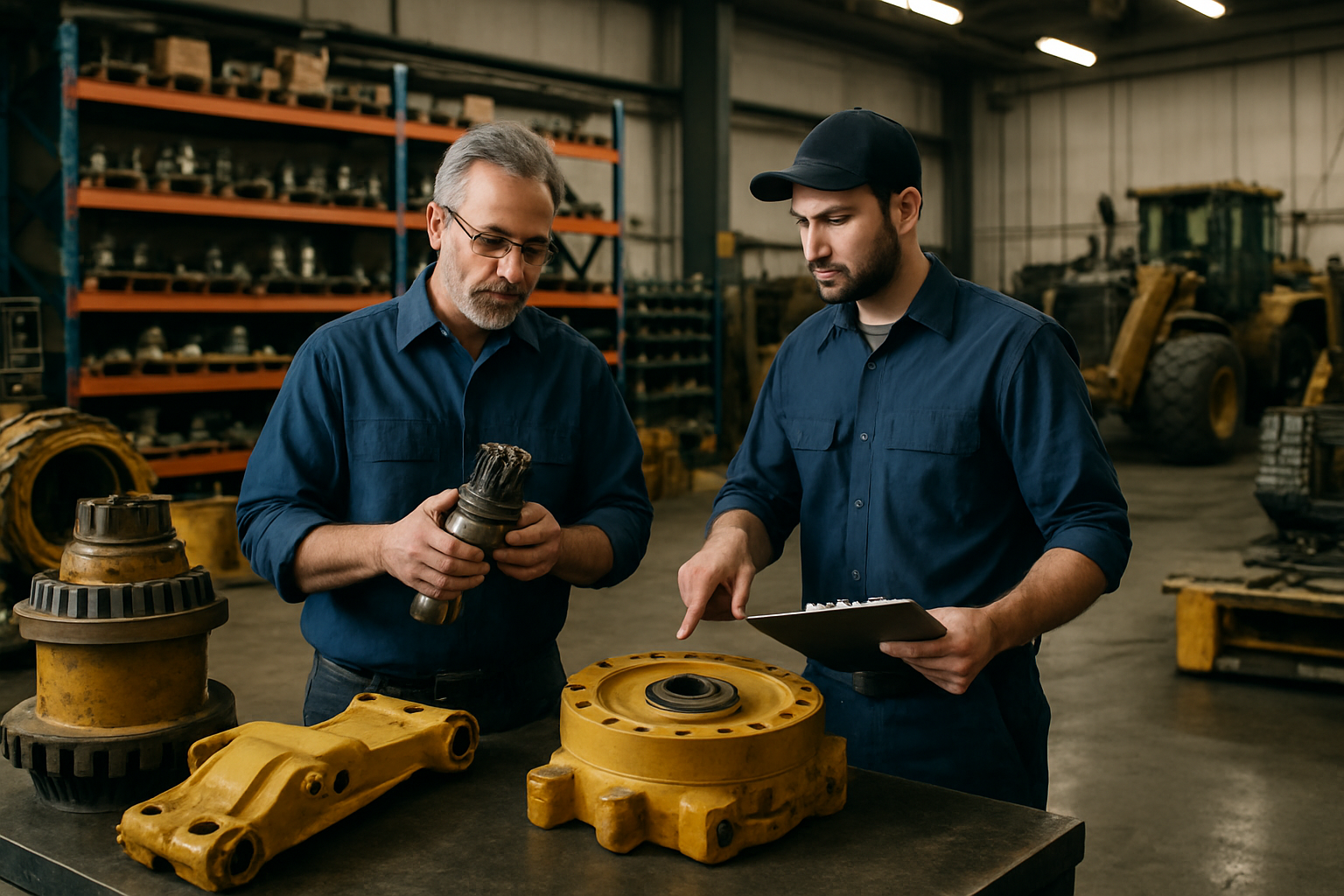
Yes, absolutely, you can sell an industrial equipment repair business in Illinois. And if you've built one that manufacturers, warehouses, municipalities, contractors, or food processors call when something breaks, you've built something buyers understand fast.
Because when a conveyor goes down, a hydraulic system fails, or a production line is dead in the water, nobody is shopping for the cheapest hourly rate. They want the person who can fix it. Now. That's a great place to be.
But buyers won't just look at revenue and say, “Looks good.” They dig. They want to know what repeats, who knows how to do the work, what parts are on the shelf, and how much of the whole thing depends on you personally. Fair questions. Easy to answer if you get organized before you go to market.
If you're in Chicagoland, Elgin, Glen Ellyn, Rockford, Joliet, or anywhere else in Illinois, this is the stuff to tighten up before buyers start asking for it.
What revenue comes back?
Industrial repair shops usually have a mix of work. Emergency breakdown calls. Preventive maintenance. Scheduled service agreements. Rebuilds. Installation support. Parts sales.
Buyers split those apart because they're not all valued the same way. A one-time emergency job can be profitable, no question. Some of the best margins are panic calls at 6:30 on a Tuesday morning. But recurring work is easier for a buyer to trust.
So don't just say, “We have loyal customers.” Prove it.
- Break out revenue: field service, shop repair, maintenance agreements, rebuilds, installations, and parts sales.
- Show customer history: annual revenue by customer for at least 3 years.
- Separate contracts: contracted work versus non-contracted work.
- Pull contract details: renewal terms, pricing, service levels, and termination rights.
- Explain emergency calls: how customers find you, how dispatch works, and how response times are handled.
Do customers call because of the company name, or because they only want you? Big difference. Not bad, just something we need to explain the right way.
How dependent is it on you?
This is the big one. In a lot of privately held repair businesses, the owner is still the best troubleshooter, estimator, salesperson, problem solver, and final judge on weird jobs.
Normal? Yes. A deal killer? No. But if every hard question lands on your desk, buyers are going to pause. That's not fear, that's math.
Start documenting who does what. If you quote every job, train a service manager or lead technician to quote routine work. If you manage every customer relationship, start assigning account responsibility inside the company. If pricing lives in your head, write it down.
- Standard labor rates
- Parts markups
- Minimum service charges
- Approval rules
- Emergency call procedures
You don't have to disappear from the business overnight. Don't do that. The goal is to show the buyer the business can keep its rhythm after closing. Same calls, same trucks, same response, same quality. That's what buyers pay for.
At Tangent Brokerage, we've seen this one change the tone of a deal. A clear transition plan beats “I'll be around as needed” every time. Every time.
Your technicians matter a lot
Skilled industrial repair technicians are hard to find. Buyers know it. You know it. Anybody who's tried to hire one in Illinois knows it.
So buyers are going to look closely at your team. Not because they're trying to pick it apart, but because your reputation may sit with 3 or 4 people who can walk into a plant, hear the noise, smell the problem (yes, that happens), and diagnose it before the customer finishes explaining.
Get anonymous employee summaries ready before the process starts. You don't need to tell the whole shop you're considering a sale. Confidentiality matters. But you can prepare clean information.
- Role
- Tenure
- Compensation
- Specialties
- Licenses or certifications
- Full-time, part-time, or subcontractor status
- Overtime and call rotation
- Safety record
Buyers may also ask about non-solicit or non-compete issues, and in Illinois you need to be realistic about enforceability. Don't overpromise. Just be prepared.
If one technician owns a critical customer relationship or a niche capability, flag it internally and fix the exposure. Cross-train. Write procedures. Map customer relationships. Simple stuff, but it makes the business feel much easier to take over.
Parts inventory can get messy
Parts shelves tell a story. Sometimes it's a good story. Sometimes it's 14 years of “we might need that someday.”
Buyers will want to know what's saleable, what's needed to support customers, what's obsolete, and what shouldn't be counted in working capital. This is where a little cleanup pays you back at closing.
You don't need a perfect ERP system. You do need a practical count and a clear explanation.
- New parts: usable and current.
- Used parts: identify what has real value.
- Rebuilt components: note condition and application.
- Customer-owned items: keep them separate.
- Obsolete stock: call it what it is.
- Consignment parts: document ownership.
Same thing with equipment. Service trucks, specialty tools, diagnostic equipment, forklifts, compressors, welders, shop machinery, cranes if you have them. Buyers will ask what's owned, leased, financed, and what needs replacement.
Pro tip: Put make, model, year, condition, market value, and debt attached on one list. Boring? Maybe. Powerful in diligence? YES.
Make the numbers easy to trust
Owner-operated businesses often have add-backs. Personal expenses. Discretionary travel. Family payroll. One-time repairs. Above-market owner compensation. That's all common.
But common doesn't mean automatic.
If you want credit for an adjustment, support it. Buyers and lenders will ask. And if an expense is really needed to run the company, don't try to add it back. That's a red flag, and it's unnecessary. Good businesses don't need fake math.
Be ready to explain gross margin by service line, labor use, overtime, parts markup, bad debt, warranty callbacks, and insurance costs. If margins changed over the last few years, explain why. Maybe parts cost went up. Maybe you raised labor rates. Maybe one large project pulled margin down for 90 days. Fine. Just have the answer.
Safety and site rules are selling points
Industrial repair isn't office work. Your people are on customer sites, around moving equipment, lift equipment, electrical systems, hydraulics, confined spaces, and production deadlines. Buyers know safety and customer approval records matter.
Package this like an asset, because it is.
- Certificates of insurance
- Vendor approvals
- OSHA logs
- Background check procedures
- Drug testing requirements
- Lift certifications
- Confined space training
- Lockout-tagout procedures
- Union site rules
If you've had incidents, don't hide them. Show what happened, what changed, and what documentation you have. Buyers can handle honest history. Surprises late in diligence? That's when deals get bumpy.
Control the process
The best time to prepare is before the business is listed. Not after a buyer asks for 47 documents by Friday.
Get contracts, customer history, technician summaries, parts inventory, asset records, financial adjustments, and safety documentation lined up early. Then you can release information in stages after a buyer is screened, qualified, and under a non-disclosure agreement.
That's how you protect confidentiality. And that's how you keep control.
If your repair company has dependable technicians, repeat customers, stocked parts, clean trucks, and a reputation for solving ugly problems fast, you've got real value. The trick is presenting it so a buyer can verify it and get excited about it.
FAQs
Do service contracts increase value?
Yes, especially preventive maintenance contracts and scheduled service agreements. Buyers like revenue they can see coming before the phone rings.
Can I sell if I'm still the main technical expert?
Yes, but you'll need a transition plan. Start moving routine quoting, customer contact, and job knowledge to key people before going to market.
Will buyers count all my parts inventory?
Not always. New, usable parts are treated differently than obsolete stock, used take-offs, consignment parts, or customer-owned materials.
Should I tell my technicians before selling?
Usually not early in the process. You can prepare anonymous employee summaries and keep the sale confidential until the timing is right.
What do Illinois buyers care about most?
Repeat customers, technician retention, clean financials, safety records, parts inventory, equipment condition, and how easily the business transfers after closing.
Ready to talk about your exit?
You built a company that keeps other companies running. That's worth being proud of. And with the right prep, it can be a very attractive acquisition for the right buyer.
If you're thinking about selling an industrial equipment repair business in Illinois, contact Tangent Brokerage. Call 630-862-5234 or request a free valuation. Let's look at what you've built and what your next move could be.